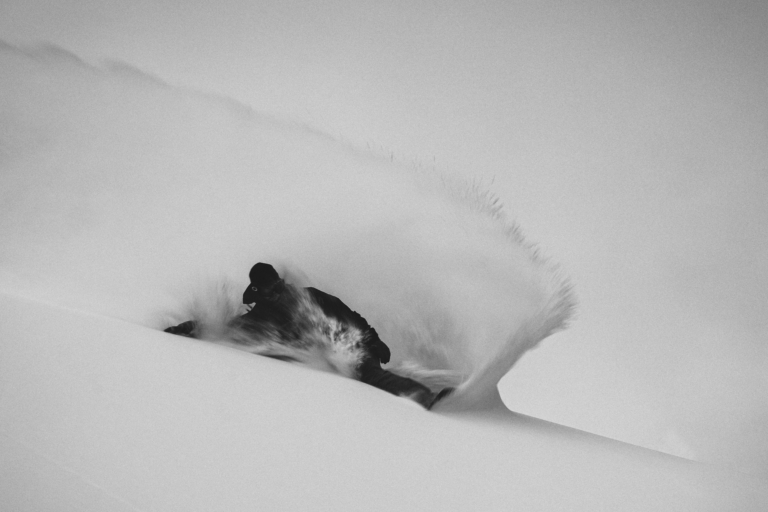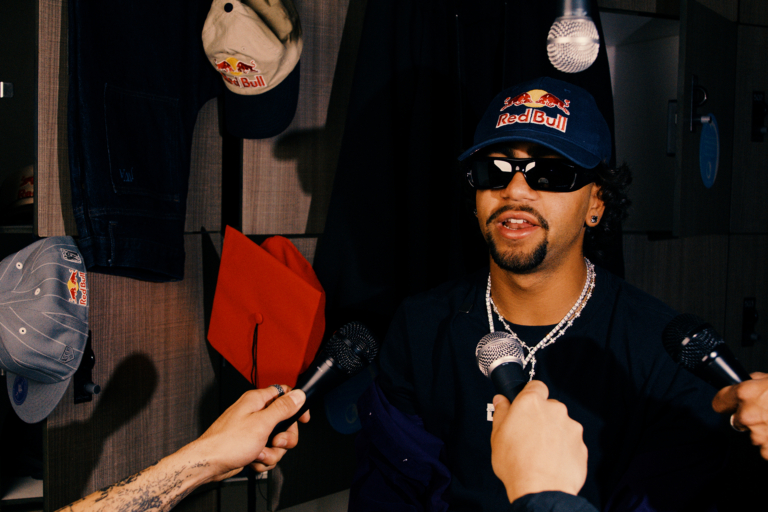
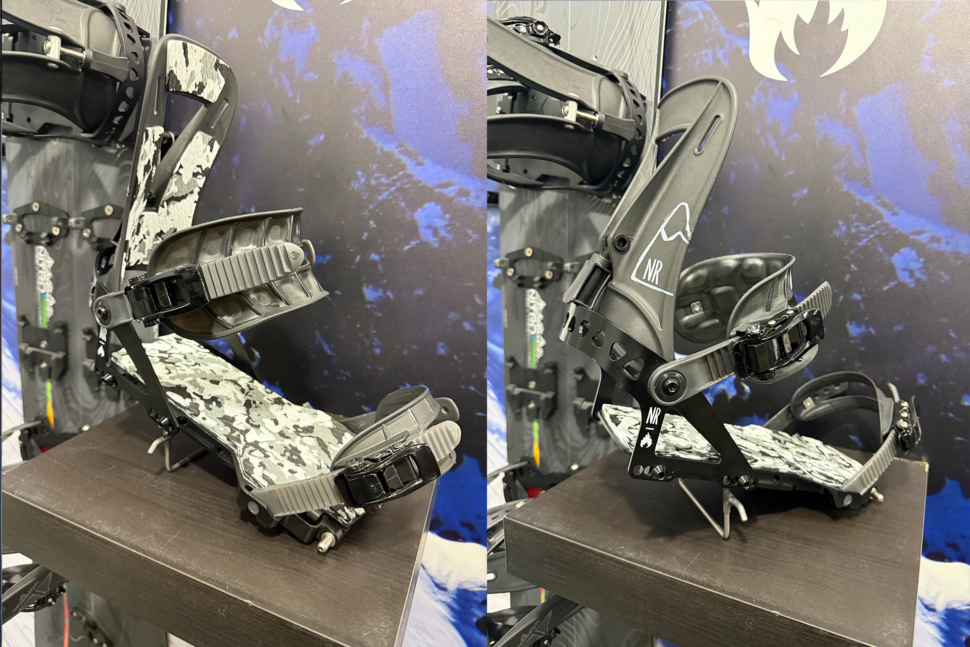
If you are going to trust one person about splitboarding setups, Nick Russell is just about as solid of a reference as you can get. Slowly stacking clips and accolades (on account of everything he does is by foot) for the past decade, Russell recently dropped a pro model splitboard binding donning his name with Spark R&D. Why now? Why not. Two of the biggest names in the space have gotten together for some magic. The NR Pro features a brand new multi-hole heal loop, a blend of tech from the Spark R&D Arc and Surge models, as well as exclusive graphics from the brain that wrestled the Peak of Evil. Always around for a chat, learn a bit more about both (as well as the inspiration behind the new tech) with some questions we didn’t get to the last time we talked. Enjoy!
How did you first get into splitboarding?
I started splitboarding as a way to access fresh powder after the resorts got tracked out. I was living super cheap on a budget and never really had the money or motivation to get into snowmobiling. Over a couple short years, I started to build my quiver of necessary gear for the mountains and realized I could have these incredible adventures pretty much for free. Since then it’s evolved into so much more than I ever could have imagined.
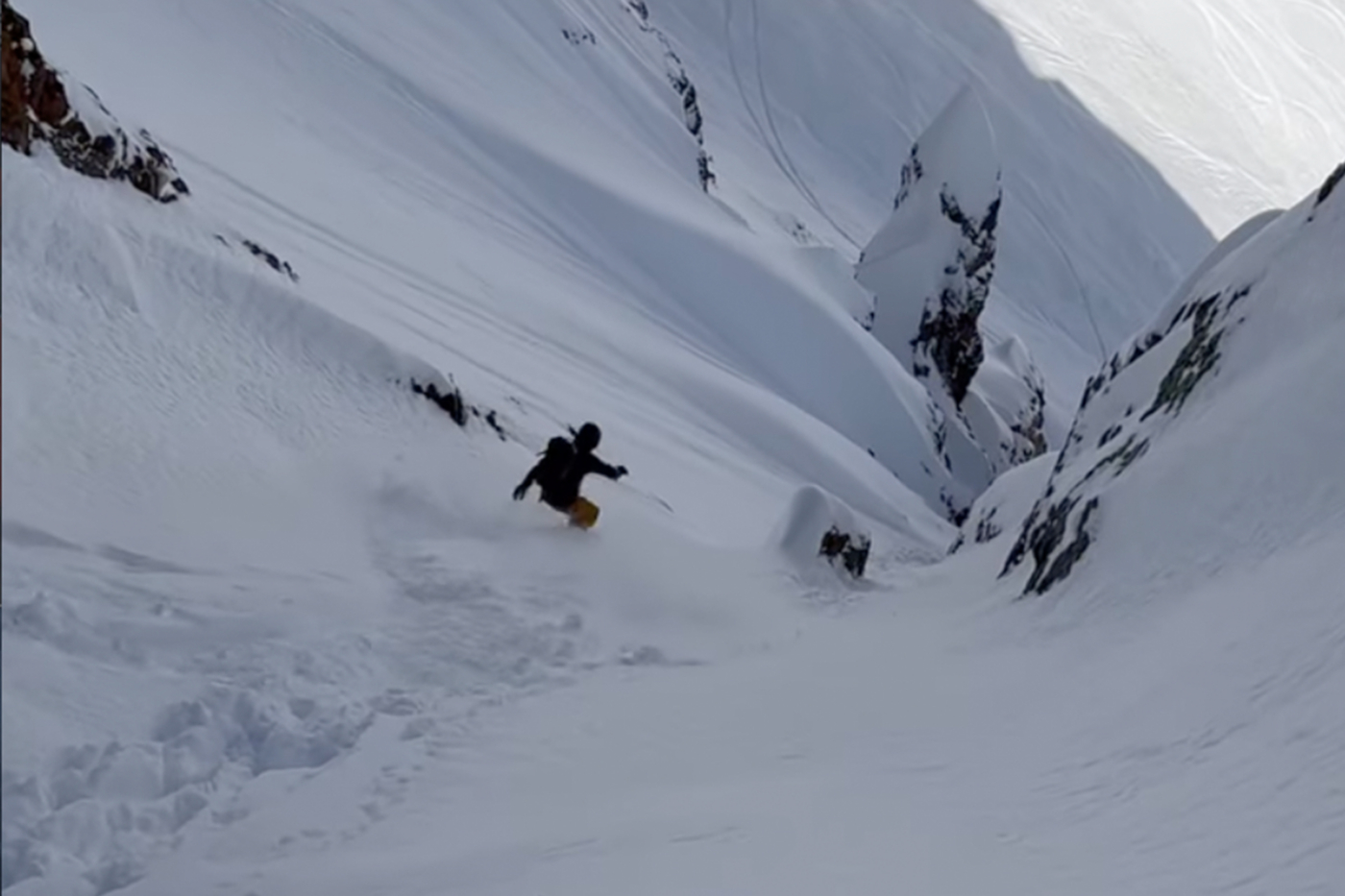
Why Truckee for your home base?
Well, I sort of ended up here by accident. I was driving across the country and was tired of living out of my car. I called Danny Davis and asked him if he had an open room at his house and I ended up staying there for seven years. Splitboarding every day, riding with Jeremy Jones a lot… I quickly realized why they love this mountain range so much. It is so accessible. With our maritime snowpack, the amount of snowfall we get and the potential for riding big lines, it’s really the perfect place for someone that enjoys human-powered snowboarding.
You have to be one of the only riders to exclusively make a living from splitboarding, yeah?
Splitboarding has taken me to some amazing places around the world and I feel very fortunate to be here! I’ve always tried to follow my own path within snowboarding and thankfully, it keeps working out.
How often do you ride resorts?
I’d say 90% on a splitboard, 10% at the resort.
Any idea how many first descents you’ve achieved?
One or two handfuls?
How long does it take to plan one of your excursions?
I would say nowadays the worthwhile goals take at least a year of lead time to build up to it.
What current splitboard trend needs to disappear?
Riding with your poles in your hand. Unless you’re a guide that has to make sure to set a track out of the flats for your clients or you have some hill’n’dale to get out of the zone, there’s no reason to hold your poles while shredding. Stow them away at the top of the line and enjoy the ride.
And what’s your favorite trend in splitboarding right now?
DIY film projects and honest backyard adventures.
Go-to backcountry snack?
Canned Mussels or smoked sammy.
Do you have a mantra or mental approach that helps keep you centered in big-mountain terrain?
Patience is your best friend. The longer the window you have to wait for ideal conditions, the better your odds are of sending.
What advice would you give someone looking to get into splitboarding?
Buy the ticket and take the ride!
What is your relationship with Spark R&D?
Working with Spark has given me the confidence I need in my bindings to expand my riding and get into new situations.
Z-poles or telescoping poles — what’s your preference and why?
3-piece pole 100%. Less room for failure and way more durable. Plus having the option to adjust the height is pretty convenient when you need to pole board your way out of a sloggy road. I’m a huge fan of Wolverine Snow Products out of Revy.
What board are you riding these days?
United Shapes Covert 157 is my go-to daily driver.
What does your binding repair kit look like? What do you carry?
A handful of screws, snap block, ST bracket and extra heel risers. I’ll also throw in some zip ties, thin cordellette, electrical tape and super glue for unforeseen issues.
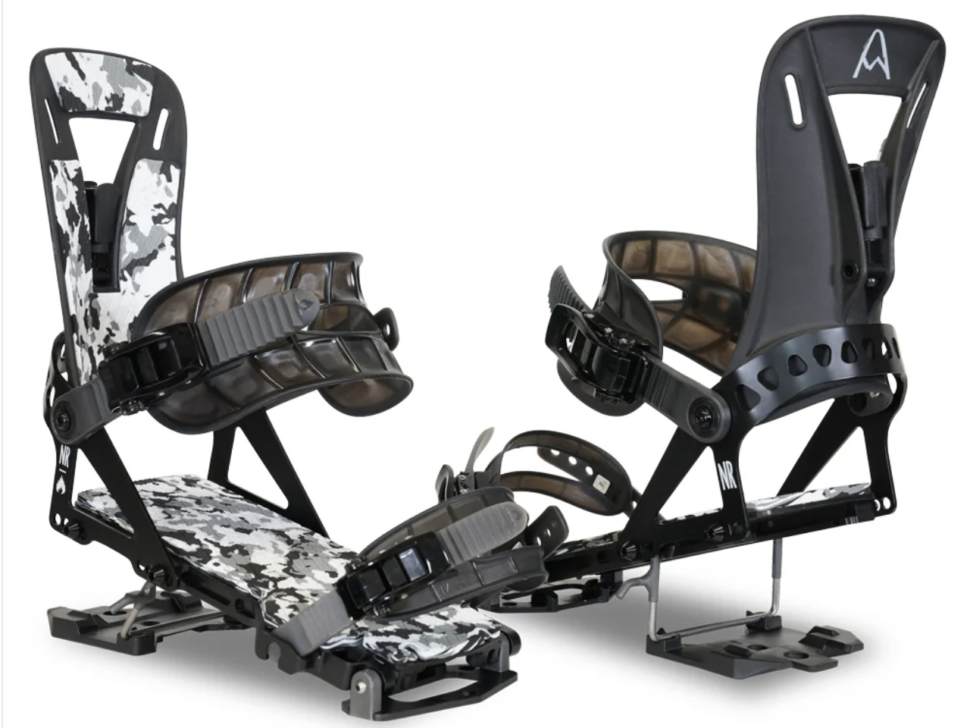
Where did the snow camo concept come from?
I love the aesthetic of the snow camo, but the idea for this binding is that we’re always out there hunting for the best snow and the best line for the given conditions.
Anything else on the graphics you helped out with?
I’ve been drawing that little mountain on all my gear for as long as I can remember. It’s simple but conveys a deep-rooted obsession with snowboarding and the mountains since I was a grom.
What’s your favorite feature on the bindings?
It seems trivial, but I’m super hyped on the highback pad. It lessens the effects of chatter in bumpy snow and generally provides a more comfortable shred experience.
How do you set your heel loop cant? (A slight inward adjustment on the binding technology designed to align the rider’s ankles, knees, and hips)
I’ve been running full cant since day one of testing. I’ve been really digging the extra power you get in the back foot, especially on heel side turns in variable snow.
What made you want to take the hybrid binding approach?
I’m a big fan of a stiffer highback for riding in firmer conditions that you find in the alpine, but the softer flex of the Arc straps for more dexterity in turns and tweaks. It’s the best of both worlds!
What is your personal binding setup? (Stance width, angles, forward lean, etc.)
My width and angles are constantly changing depending on the board I’m riding and conditions, but generally speaking, I run a more narrow stance than most- maybe around 20 inches or so. Angles range from 18 to 21 in the front, and +3 or +6 in the back foot. More forward lean in the back foot.
I think that is enough splitboard talk for the day! Thanks Nick!