We caught up with Rafael Pease and John Jackson to talk about their new film; a two-year project called FERAL. A very hands-on (and afoot) project, Rafa and John J pushed themselves, as well as the Alaskan and northern BC backcountry, embarking on missions into Alaska’s vast wilderness, logging hundreds of miles afoot, and thousands via snowmobile, air, and highway.
Mike Basher: Where can people view FERAL, and when is it dropping?
Rafa: FERAL will be accessible to everyone, releasing December 11th on Connections Movement YouTube channel. We’re also working on organizing a few additional in-person screenings across the U.S., along with some potential film festival appearances. More to come on that!
How far was your furthest mission during the making of the film?
Rafa: We used just about every form of transportation imaginable throughout the project. My favorite was the splitboard, but we definitely mixed it up. We traveled hundreds of miles by snowmobile, flew into remote glaciers hundreds of miles from the nearest road, and drove thousands of miles up and down the Cassiar and Alcan highways.
John actually drove from his home in California all the way to Alaska and back, so I’d say he takes the win for the furthest mission by far!
John J: Our furthest sled day was 137 miles. We’d been looking at this zone on the satellite and finally made a punch for it. I think we nailed it on gas estimates and track conservation, and the terrain we came across was out of this world. The snow was pretty terrible at that point, which is why we wanted to go so deep to see if it improved. I rode a couple minor things but it turned out to be this incredible sled safari.
Other than that the drive to Alaska and back was pretty long. I always underestimate it. It was really special though, my wife and our two daughters joined me in Anchorage and we drove back together…actually, more like crawled. We drove for 37 days, pretty small increments each day, and it was beautiful.
How far was your furthest trek afoot?
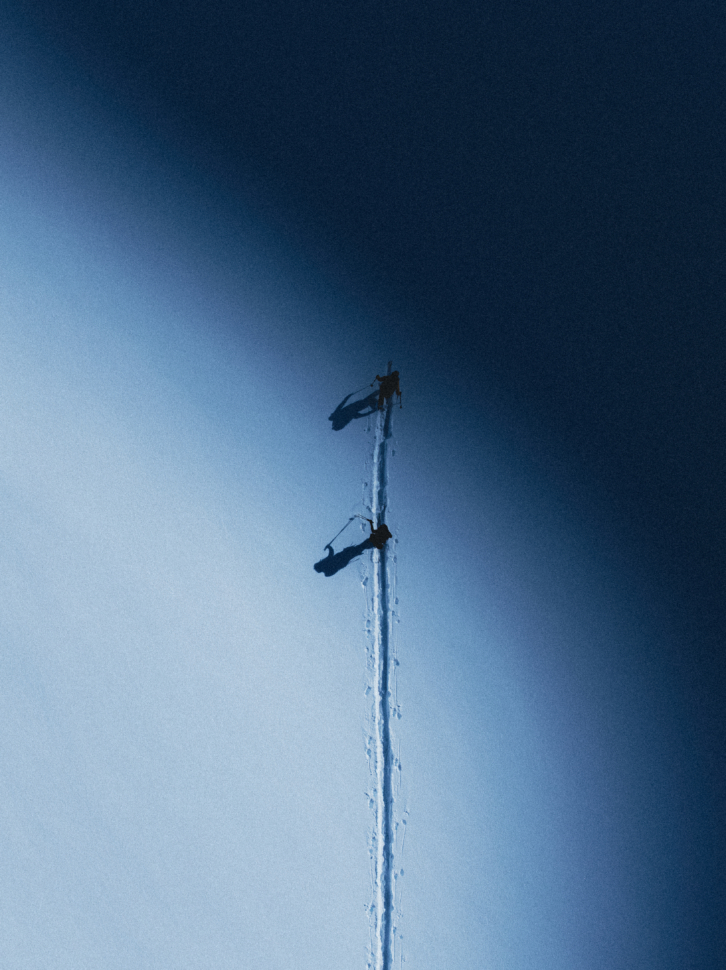
Rafa: Hard to say exactly, but there were plenty of days that started well before sunrise and didn’t end until long after sunset. Some days it felt like we never stopped moving, breaking trail, bootpacking, and climbing from one objective to the next. Those were some of the best days. Blue skies, sunshine, good snow, and nothing but mountains surrounding us.
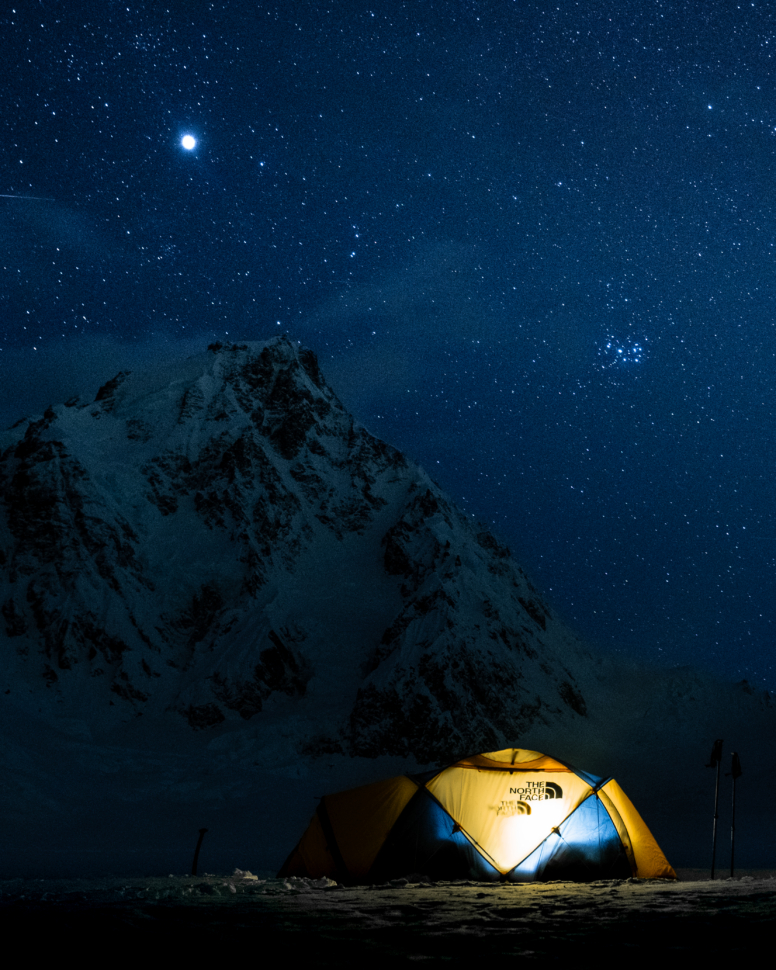
John J: I think our furthest hiking day was probably our first. We went way up the glacier from camp, and then Rafa and I decided to continue up the ridge and ride some mini spines into the next valley. It was an incredible first day getting a lay of the land. We rode back to camp at 9pm and the stars were shining above this immaculate spine wall. The Northern Lights were popping a couple hours later. What a life!
Who was part of your crew? Other riders? Media crew?
Rafa: We had a pretty diverse crew of rad humans behind the cameras, including James Buehler, Jaime Varela, Adri Martinez, and Tyler Ravelle, along with a handful of friends and fellow riders who joined us along the way.
The 2026 season was interesting because we were much more mobile, living on the road and constantly moving between locations. We’d occasionally cross paths with other pro riders and film crews, which was always fun. Despite a challenging winter and spring, it was inspiring to see what everyone was out there creating.
John J: In 2025 I felt like I hitchhiked onto a plan with Spencer Whiting, Mason Lemery, Nathanial Murphey, and Rafa. The crew ebbed and flowed out there. Rafa left a bit early to set up another camp in a different zone and Crown Mountain Guides came out for a few days in the bird with Justin Befu and Dylan Lenzie. We stayed a total of 13 days there, and when they left, I hitchhiked over to Rafa’s camp for another 10 days with Jaime Varela and Adri Martinez.
In 2026 Spencer hoped aboard my rig in Reno and we started the journey to Ak with Brandon Davis and linked back with James Buehler, Rafa and the FERAL crew in mid BC. It was a one-of-a-kind journey with so many friends coming and going.
Do either of you have a screen grab from your Health app showing steps on a big day?
Rafa: Haha, I don’t think I’ve ever actually used that app! But there were definitely some massive days breaking trail, bootpacking lines, and spending countless hours on our feet. Maybe I should start tracking that stuff.
John J: I don’t, but I just started these classes at Orange Theory and I’m burning over 900 calories in an hour so I’d say we were crushing a lot of fuel on those long days.


FERAL was made by Connections Movement. What’s your involvement with them, and what other films have they produced, and why?
John J: Rafa is behind the helm of Connections Movement and has produced some really inspiring and thoughtful films over the years.
Rafa: I founded Connections Movement back in 2015 as a way to bring passion projects to life in a more organized and professional way, while maintaining complete creative freedom.
Over the years, we’ve produced a wide spectrum of films, from big-mountain snowboard expeditions around the world to documentaries exploring the cultures, communities, and environments surrounding these places.
Our projects have ranged from short film series in Alaska to climbing massive spines in Kyrgyzstan and producing feature-length documentaries in Chile centered around land conservation.
For me, Connections Movement has always been about more than just snowboarding. It’s about using adventure and storytelling to connect people with places, cultures, and environmental issues that deserve attention.
Where’d you come up with the title FERAL?
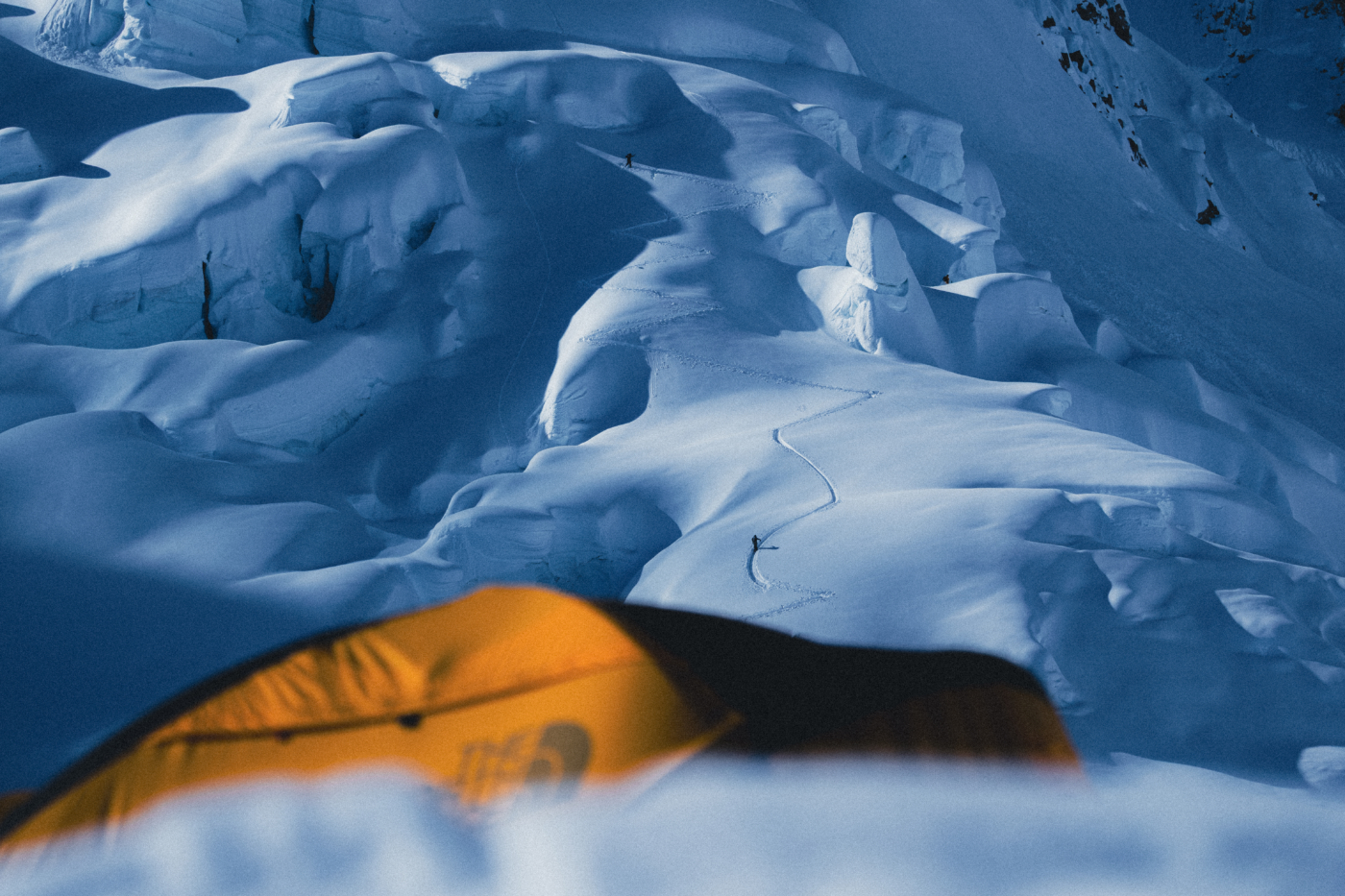
Rafa: I felt “feral” perfectly defined what we were experiencing and trying to accomplish in the mountains. From spending weeks living in tents deep in the wilderness to chasing storms across Alaska and northern British Columbia, we were constantly immersing ourselves in the elements.
There’s something about spending that much time in remote environments that brings out a different side of you. You become more instinctive, more adaptable, and more connected to your surroundings. In a way, you have to embrace that feral side of yourself to not only survive in these environments but thrive in them.
John J: I’ve always been a little bit feral so I fit right in. HAHA!


Did you guys ever get stuck somewhere because of weather or mechanical breakdown?
John J: Short answer is yes but not too bad. I changed a rotor and did a brake job in the middle of nowhere. An oncoming big rig was hogging the road on the Cassiar and I got sucked into the snowbank which turned out to be a 4’ ditch with no shoulder. That took a little while to shovel the rig and trailer out.
Rafa: Oh yeah, we definitely had our fair share of mechanical issues! Between snowmobiles, trucks, and trailers, pretty much everyone dealt with something along the way. The roads are terrible especially when towing a trailer, on the first day of the drive I had a bracket break that was holding my leaf-springs to my trailer causing a breakdown about 60 miles from the nearest town in -35ºF weather close to midnight, luckily I was able to fix it long enough to get it to a shop to get it welded.
Blown tires, broken suspension components, sliding off icy roads…you name it. But, luckily, we never stayed stuck for too long. Having a solid crew, the right tools, and people willing to help each other made all the difference. That’s just part of the adventure when you’re spending months traveling through remote parts of Alaska.
What were you prepared for when it came to worst-case scenarios?
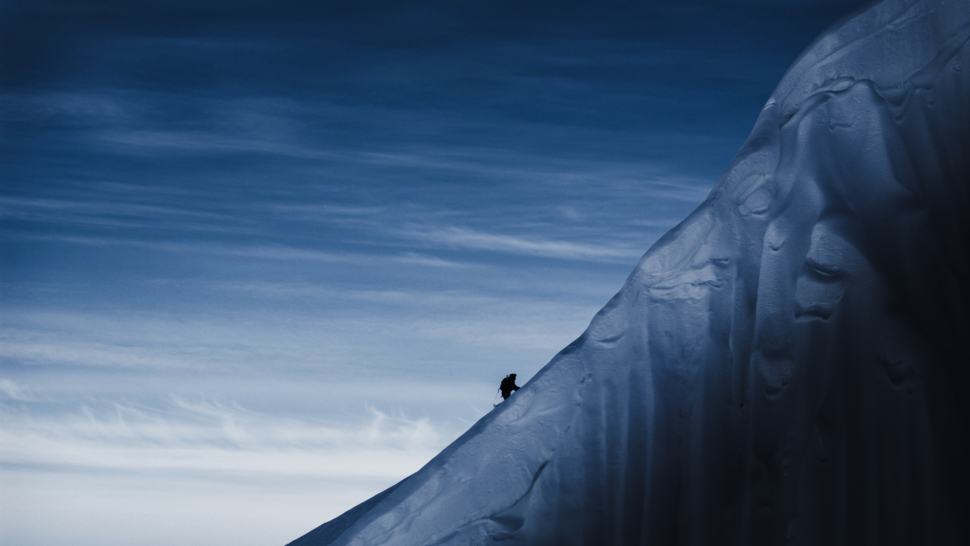
John J: I always carry a grip of tools and parts so my shitty mechanic (my alter ego) gets lucky in fixing most things. Spencer had a super pro medkit out there and we are all thoughtful and carry gear when it comes to glacier travel. Our friend blew out his knee pretty good during our 2025 camp and the Alaska Army National Guard performed a super pro rescue which was well coordinated by our team.
Rafa: We faced some pretty serious situations over the course of those two years.
One of the biggest was an accident involving a member of our crew who suffered a severe injury in the backcountry. We ultimately had to coordinate an evacuation with the Alaska Army National Guard. Thankfully, with the right training, experience, and communication, we were able to respond efficiently and get everyone out safely.
Beyond that, we dealt with relentless storms, unpredictable weather, and two spring seasons that ended weeks earlier than expected due to warming temperatures and high winds. Those conditions created significant instability in the snowpack, including large natural avalanche cycles.
One of the most important things we’ve learned through years of experience in the mountains is knowing when to back down. No line or objective is worth pushing beyond what the conditions allow. Sometimes the best decision you can make is to turn around, call it a day, and live to ride another one.
In reading the report on the rescue, you can definitely say your crew was adequately prepared out there: “They knew what they were doing and were the most adequately prepared group that we have ever seen.” – Chief Warrant Officer 3 JD Miller, Alaska Army National Guard pilot in command.
Sketchiest thing during the two-year project?
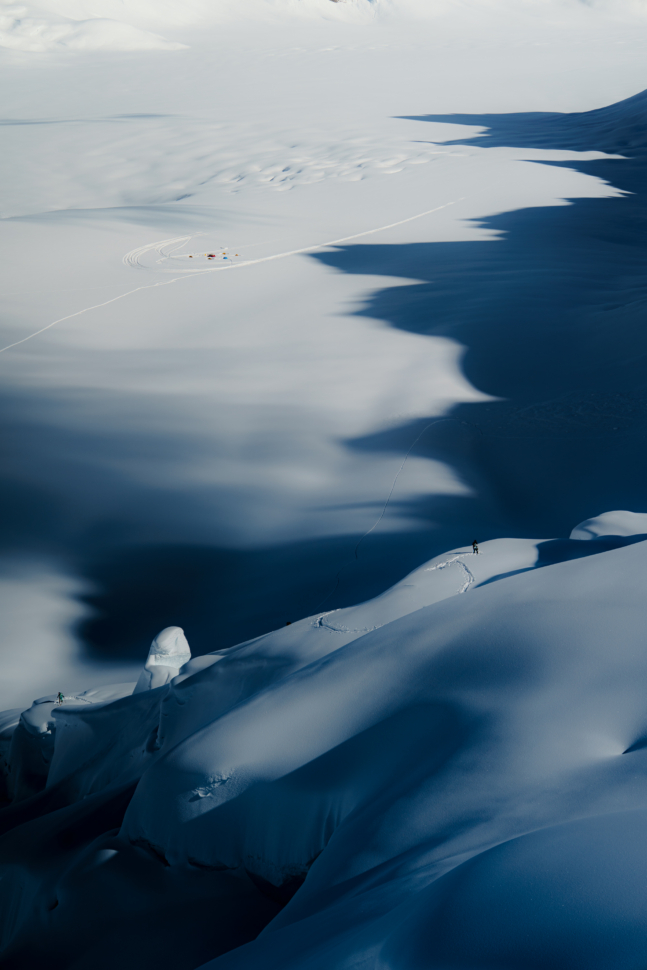
John J: Our FERAL camp was at the base of some intimidating terrain with lots of ice, crevasses, and cornices around. It’s a special feeling learning how to exist in that environment but also scary. My sketchiest encounter was a VW bus-sized pillow breaking off in bc and creating an explosion of snow that carried me down a couple benches. It’s the only time I’ve ever felt like I was being buried.
Rafa: I’d say one of the biggest challenges was how quickly the weather and snow conditions could change. We experienced unpredictable warming events, aggressive windstorms, and rapid shifts in the snowpack that completely changed what was possible from one day to the next.
There were moments when objectives we’d been planning for days or weeks suddenly became too dangerous to even consider. These past two winters have been particularly challenging in Alaska, and we’ve seen how rapidly changing conditions can create serious consequences for people traveling in the backcountry.
Thankfully, we managed to recognize those warning signs and avoid putting ourselves in situations where the risk outweighed the reward.
The mountains aren’t going anywhere, and sometimes patience is the most valuable skill you can have out there.
Fondest memory?
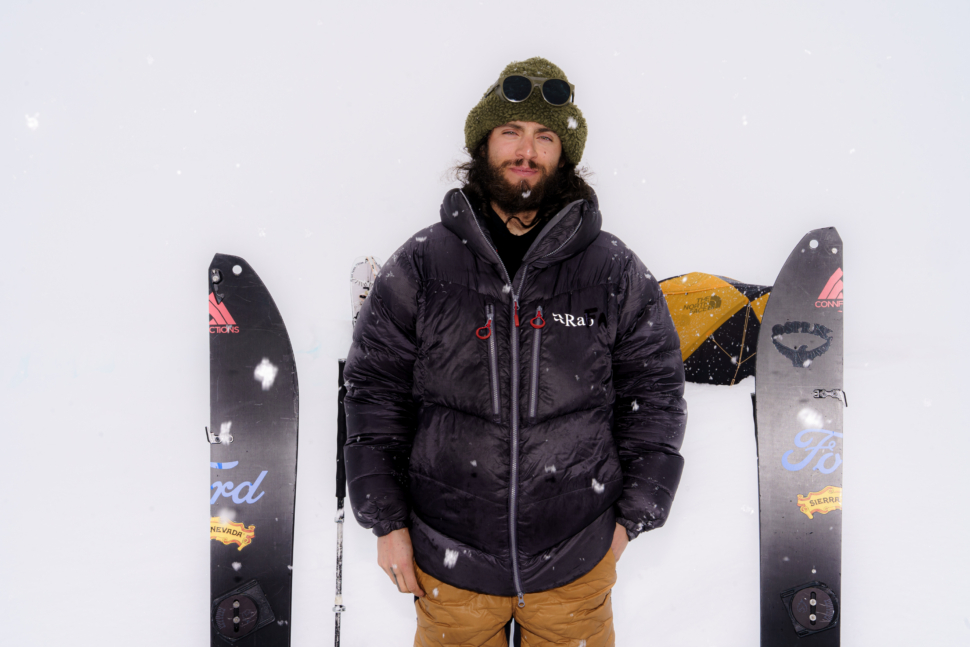
Rafa: For me, some of the best memories came from that deep sense of adventure. Living on the road, exploring new places, and searching for untouched lines hidden deep within glacial cirques with an incredible crew of humans.
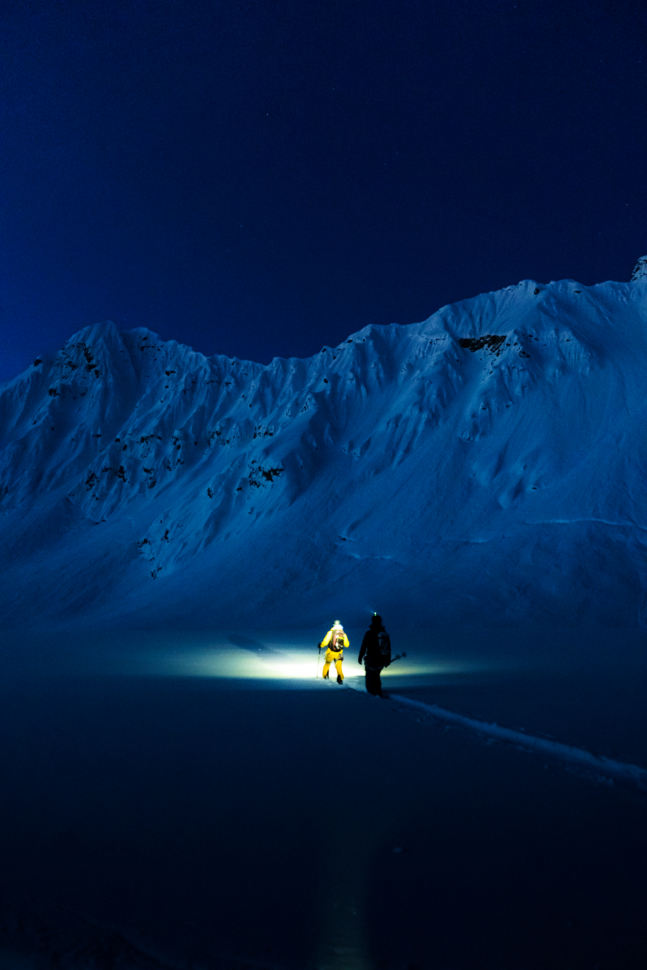
There’s something really special about starting a mission in complete darkness, climbing through the night, and topping out just as the sun rises over the Alaskan mountains. Then, looking down at a steep, untouched face of powder, knowing that all the effort it took to get there was worth it. Those were the days that reminded me why I fell in love with snowboarding and exploring the mountains in the first place.
John J: I definitely have an obsession to explore new terrain and there was a lot of that during the last two years. The snow creates such a beautiful landscape each winter and to investigate what kind of track you want to lay down while encountering the challenges of the ascent/descent is so exciting each time. I’d say my fondest memories were experiencing the joy of my homies riding. Rafa and I running multiple laps on our camp wall during pristine clear conditions. Watching Tyler Nicolson ride Chocolate Bowl for the first time. Teaching Raibu Katayama some moves on the sled and then watching him crush this step down. Running full pow laps on Gully 1 with Sean Clawson and the Thompson Pass family on April 29th. Driving up to the Salmon Glacier and taking my family out on the sled to shred with some of the locals. This was June 21st, the Summer Solstice, and the happiest Father’s Day!
What’s next?
John J: Being available for the natural weave of winter. Feeling excited to teach my girls more on snow. Putting money on Tahoe getting buried. Planning on working with Spencer some and trying to cook something up with my brother, Eric. Maximum fun, hopeful progression.
Rafa: I’m keeping things a little more open this time around before getting tunnel vision on another specific expedition or mountain objective somewhere in the world. I’ll be spending the early season at home in Alaska, seeing how the winter develops, and hopefully putting together some local film expeditions if conditions line up.
I’ve also got a little redemption mission planned with Tyler Ravelle. He joined us last season, but unfortunately, the weather completely fell apart on us. I’d love to get back out there with him and create something together under better conditions.
Looking a little further ahead, my goal over the next couple of years is to return to some bigger, more remote expeditions around the world. There are still so many places I want to explore, mountains I want to climb, and stories I want to tell. For now, I’m just trying to stay open to wherever the next adventure takes me.