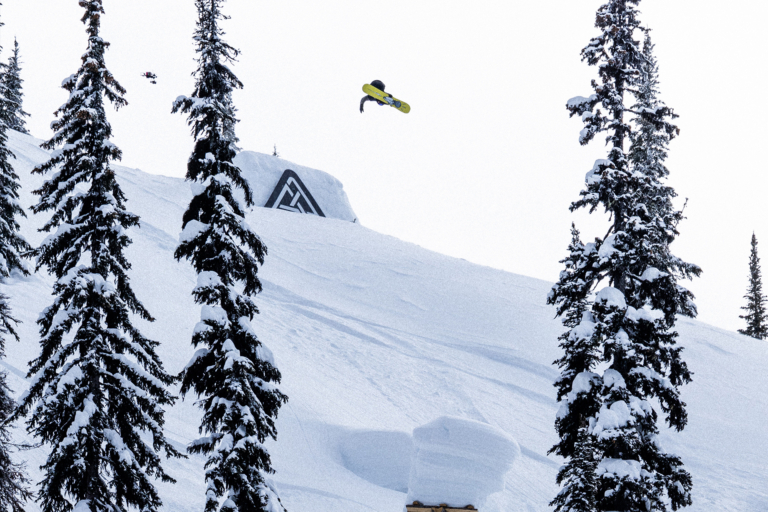
I have owed Matt Williams an interview in print for just about a decade. The first time I shot photos of him, he was flying through some trees at an event, and I asked him to try it one more time for a different angle. A nice gust of wind rolled through just as he took off for the final hit, and it sent a wind flag into his board, which, as you can guess, threw off his trajectory. He ended up clipping a tree pretty nicely, resulting in a separated shoulder and a concussion. Not only did that day show me that riders should definitely have good health insurance, but it also was the last time I asked anyone to hit something just for my photo. If I didn’t get it while they were battling their trick, then I didn’t do my job. Luckily, I was just interviewing him this time, and there was no danger in making him repeat answers because of spotty cell service.
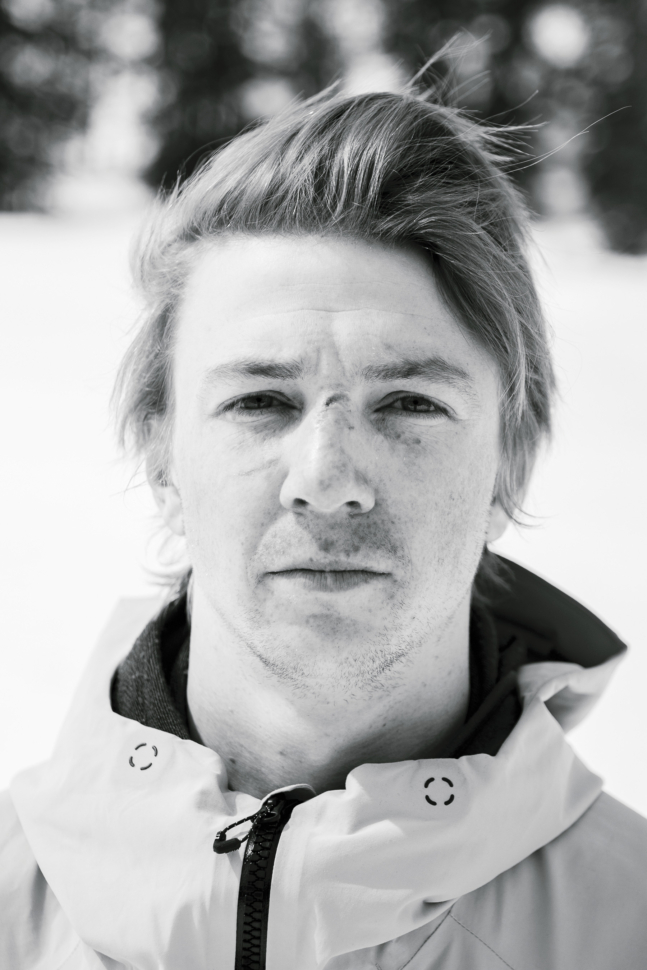
At just 28 years old, Matt has held his fair share of gigs in the snowboard industry. Plenty of pros have made the jump from riding for a brand to working behind the scenes, but not many have held both positions simultaneously. Starting out as a shop kid around Mammoth, Matt climbed the ranks to reach the Never Summer pro team a few years ago while also running the Colorado-based company’s website and social media. His background in content and coding also led him back to Mammoth Mountain, where he currently holds the communications coordinator position—but he hasn’t stopped riding professionally. As he’s one of the faces of Never Summer, we figured it was time to get behind the curtain on his impressive career in snowboarding. We called him up during his move back to California as he was preparing for the upcoming winter. Enjoy!
Mark Clavin:
What’s new with you?
Matt Williams:
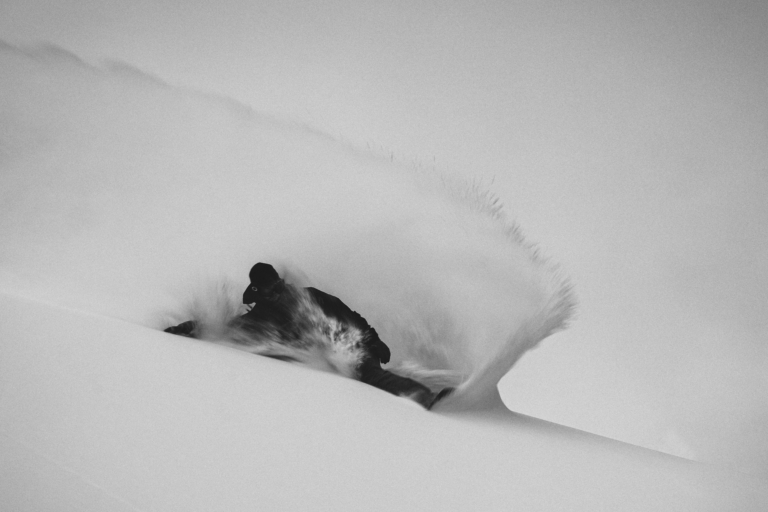
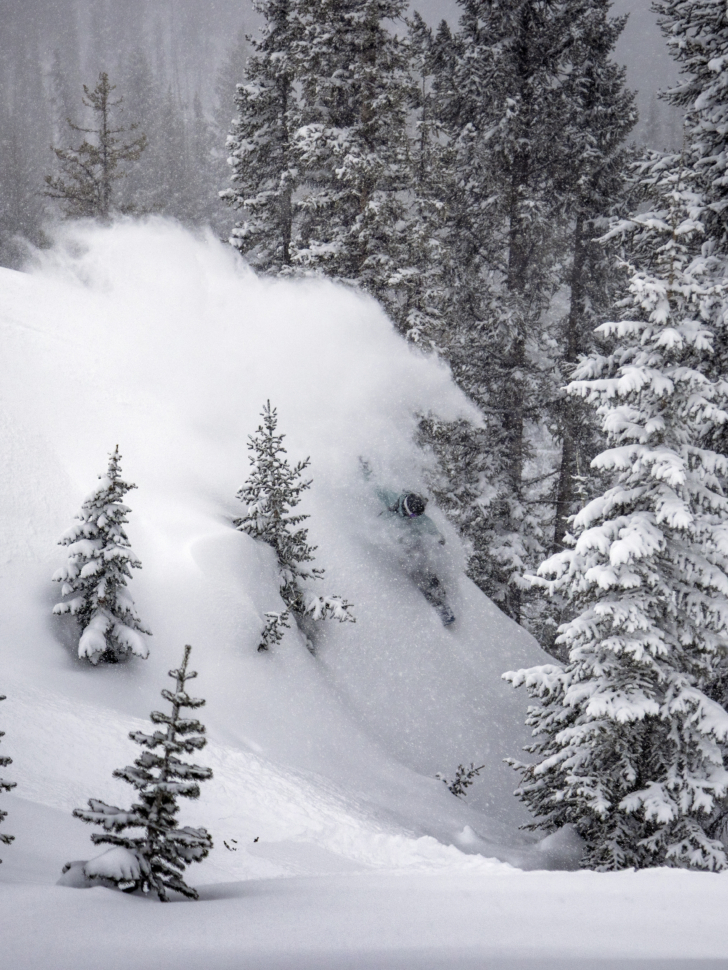
A ton. Living in Mammoth, new gig at the mountain…and just snowboarding as much as I can. Excited to be back out in the Sierras for this winter to film in the backcountry.
Rough past winter in Colorado?
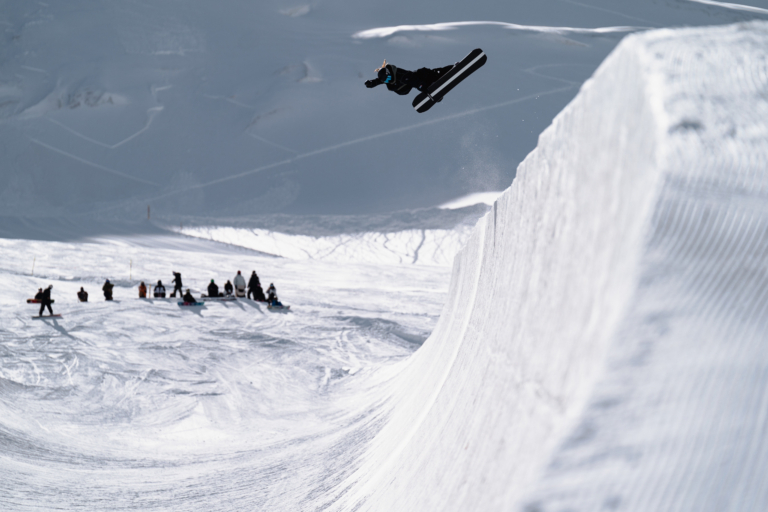
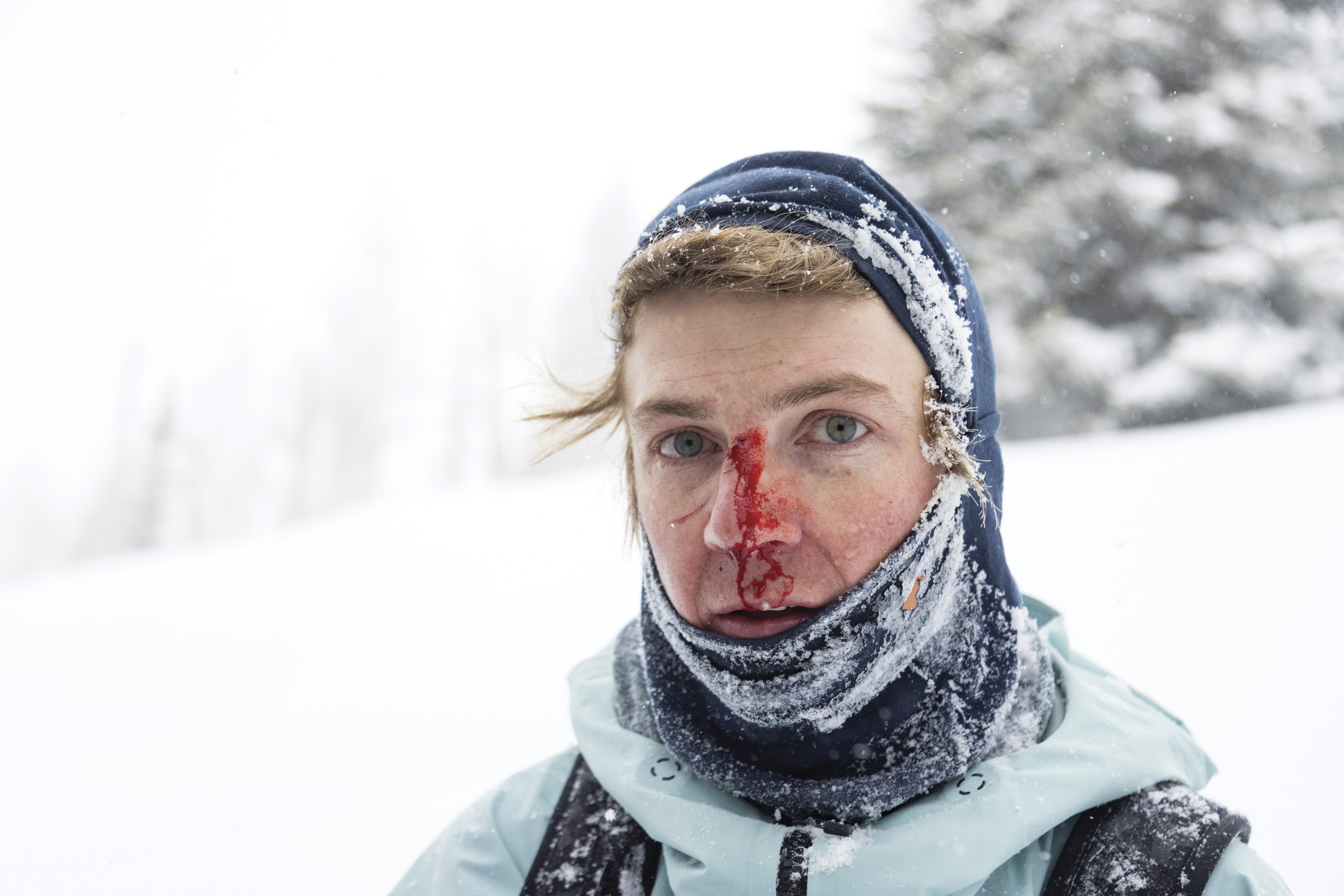
Yeah, a lot of persistent slabs last winter. Stayed on mellow pitches for the most part. Had to change plans for jumps to stay in safe zones a good amount. I also just hurt myself a lot this year. Tweaked my knee in early season and then smoked my head on a jump. Out for a few weeks with a concussion…and then I broke my nose on a cat trip.
How’d you break your nose?
You know me—I have bad luck with tree branches. I was jumping through this window in the trees and went a little higher than I expected. I thought my face would just brush through the branches, but little did I know there was a huge stick in the middle of them. So, yeah, clotheslined myself on the stick.
What were you shooting for this time?
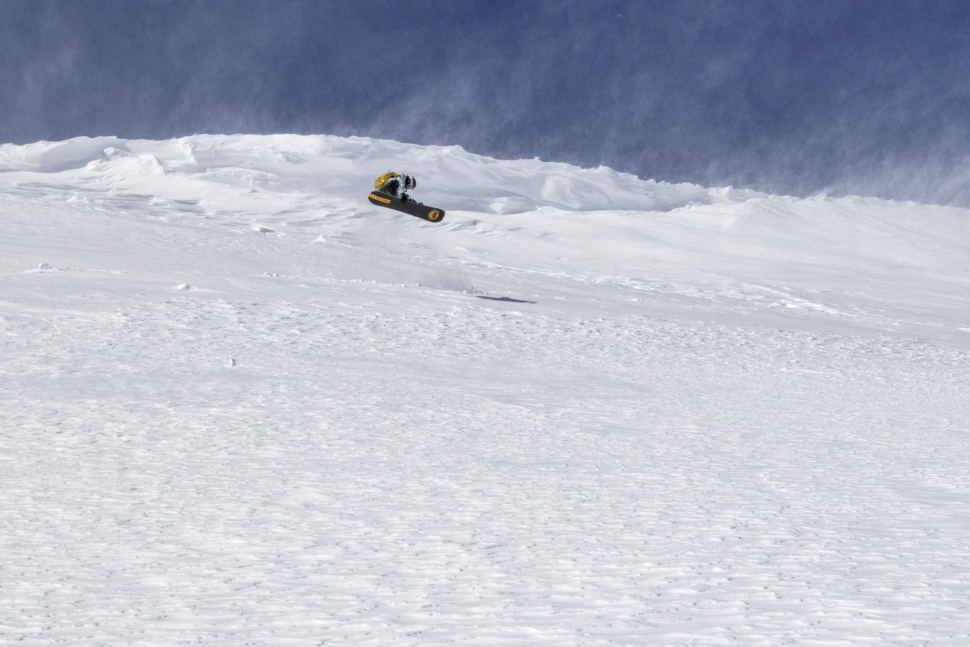
Just working on my own stuff and a Never Summer project. We have a bunch of new snowboards coming out this year, so trying to get all the content on those boards is pretty front and center. Not exactly planning a movie or anything yet, but that’s in the works soon.
You’ve been with Never Summer for a decade, yeah?
Yep. Been riding their boards for 10 years. They brought me on full time in, like, 2018, when they signed on the full pro team. Chris Harris called a couple of us and just said, “We’re gonna put funding behind you guys, and you are going to help shape this company.”
But you weren’t brought on just to ride, correct?
Right. I was riding on the team but actually came in as the web developer. That’s what I went to school for, and I needed to make money to live, so Chris gave me a shot working in the office, and it worked out. That kind of snowballed into running the website, social, ads, and that kind of stuff. And then, from there—like, one year later—I started helping with team-management stuff.
So going to college definitely paid off for your snowboard career?
Yes. And I did half of my college online, so I was snowboarding the whole time.
How did you get your start in the snowboard industry?
I started working at a snowboard shop in Mammoth through high school and did some work in marketing for the resort. Pretty funny to be actually back in their marketing department now.
Thoughts on working at a resort or a shop when you are younger?
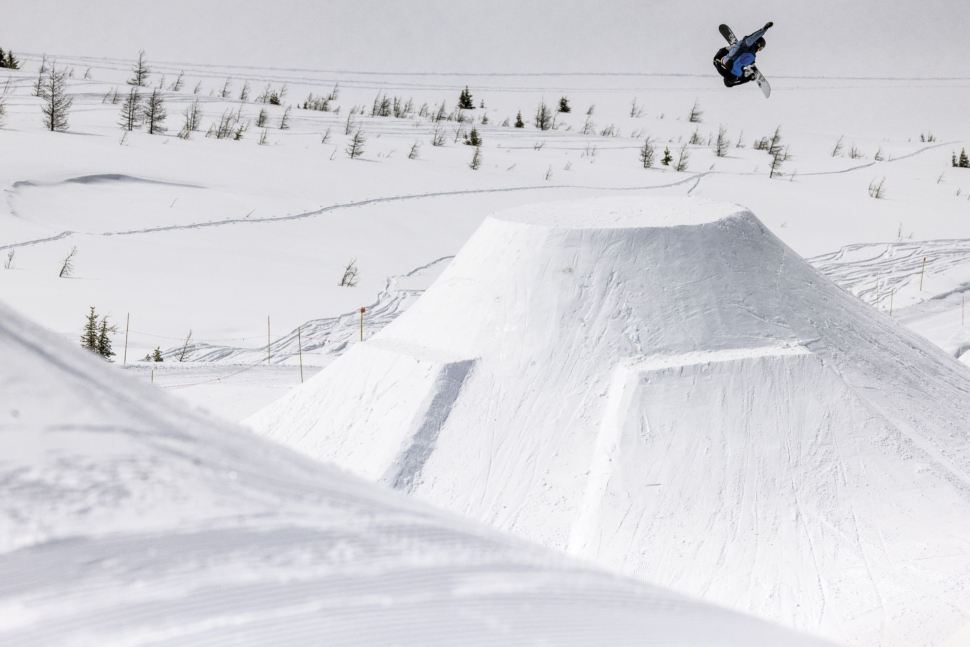
Go work at a snowboard shop. You get to ride more, and you can meet everyone in your scene. I don’t know how long people are gonna have more than one snowboard shop in their towns, though. So I would say go as soon as possible.
What about people that aren’t in heavy snowboarding areas?
Eventually you’ve just got to dive in and go be a snowboard bum in a mountain town. Or you can always look for an internship out of somewhere like San Clemente, California—that is where all the brands used to be, it seemed like. I guess Salt Lake is probably more of a hub now.
You from Mammoth originally?
I was born and raised in Anchorage, Alaska, and bounced between there and Flagstaff, Arizona, until I ended up in Mammoth for high school. My mom worked in environmental sustainability for Native American tribes up in AK through Northern Arizona University, and my dad wrote software for tribal hospitals, so we just kind of bounced around between the two areas.
That’s a pretty impressive line of work.
Yeah, they spent a lot of time up north in Alaska, and Anchorage was just the best place for our family to live.
Where do you consider your home hill?
I’d say it’s a mix between [Arizona] Snowbowl and Mammoth. Would ride Alyeska in AK with my dad growing up, but my career really took off in Mammoth through the snowboard team and being able to ride six days a week. I just started meeting every single rep I could and, you know, just, like, shaking their hand and asking how I could help with anything. As long as I had decent grades with my online classes, I didn’t really have to attend school, so it was pretty sick!
You were doing remote work before it became the mainstream way of working.
[Laughs.] I’ve been working remote my whole life.
Who was on the Mammoth team at that time with you?
Brock Crouch, Judd Henkes, Brandon Davis, Spencer Whiting. And then all the big names would be around in the spring, just filming and hanging.
Do you think kids trying to go pro now need to be multitalented to have a successful long-term career in snowboarding?
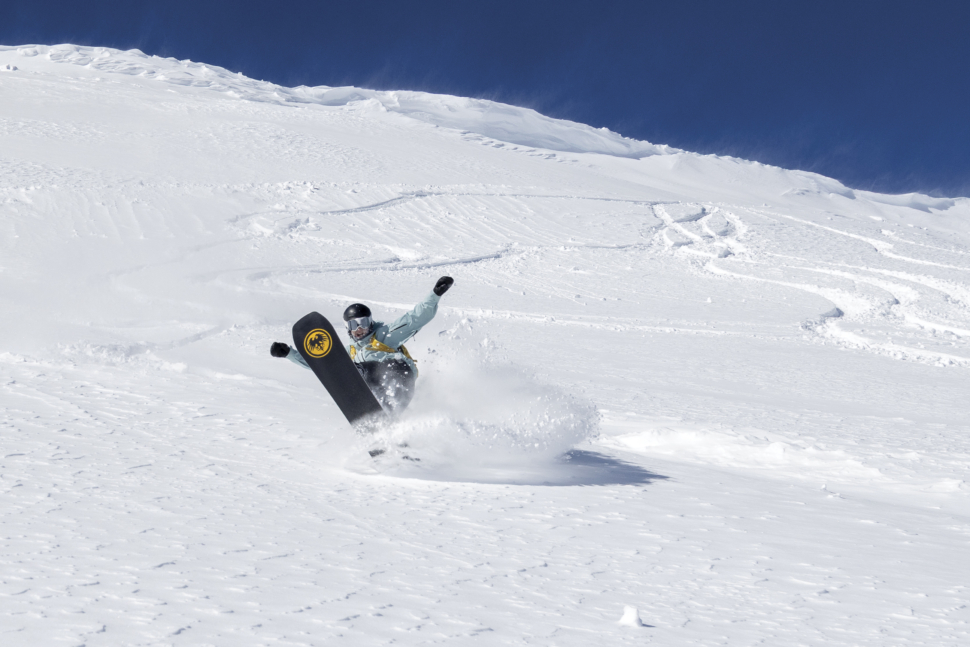
Yes. I think that snowboarding is actually at a point where it’s really hard to become a professional unless you’re the top 1%. I mean, you gotta think—there’s 200 snowboarders coming on the scene per year right now. You’re not gonna be a pro unless you have something else in your route. Being able to create content, run a website, knowing how to film, anything like that. You kind of have to have another skill and just talk to everyone.
How did you calculate 200 kids coming on the scene per year?
Just paying attention. Watching stuff online or going to local and national events. I went to the USASA Nationals this year and just watched every rider that’s 14 to 18. There is so much talent, and as they grow into their adult strength, that level only grows.
What’s harder: learning a new code language, or landing a 1260 in powder?
Landing a 1260 is harder because you really have to overcome the fear. As I get older, my frontal cortex definitely has been telling me that I could eat shit at any time. When you’re learning a new language, it’s just, like, buckling down and making sure that you get it done.
What’s the most enjoyable position you’ve held in your career?
Content creation for Never Summer, probably. You get to get out and get on the hill and film tricks with your friends. That’s what I am doing for Mammoth now, too, so I am pretty excited.
Any secrets for social media that you have for the people?
Yeah: Stay on top of the algorithm. I mean, I know that sounds ridiculous, but there’s plenty of resources and research out there that you can do to, like, see what’s delivering new trends, see what’s making posts do well. Don’t look inside snowboarding. It is such a small community, and you need your social media to reach the bigger pool outside of just us to make it successful.
People should probably take your advice, considering the success of that ice-carving video you guys put out a few winters ago.
[Laughs.] The ice carving out on Georgetown Lake [in Colorado]? That was fun. Never Summer originally did it on an ice rink indoors, and they wanted to try it again, so I thought we should go carve on a lake. That was my baby. I got to have full control on that—hired the filmers, made the whole edit. Views-wise, that was, like, millions and millions of views, and it’s still getting shared constantly.
Any riders with long careers you look up to?
Gabe Taylor’s definitely, like, a big one for me. I’ve kind of seen, like, how he’s continued to, like, be able to snowboard his whole life in the snowboarding industry, and, like, he has such a strong position living in Mammoth. He’s still putting out parts and everything. To see somebody that’s constantly driving their career and always adapting is pretty inspiring.
And what about on the industry side?
Chris Harris over at NS has always been a big mentor in navigating my career snowboarding and balancing the other side. Definitely taught me it’s not always sunshine and roses. Sometimes you gotta lock down and get shit done. There’s so much you don’t see behind the scenes if you just ride for a company, and Chris opened up a lot more for us. It has always been a family feel and very open with everyone around the factory.
You’ve said your favorite place to ride is Sonora Pass. Is that still true?
It is the best place to ride in the world. You’re driving up the road with your snowmobile, and you look left and you’re like, “Oh, I’ve seen that jump spot in a movie.” You look right and you’re like, “Oh, I’ve seen that jump spot in a movie.” And it is only a 45-minute drive from the resort.
Final question: You plan on hitting any trees in the near future?
No, not planning on smacking any more trees. It’s a bit wider open out here, so I am definitely looking forward to some safer runs.