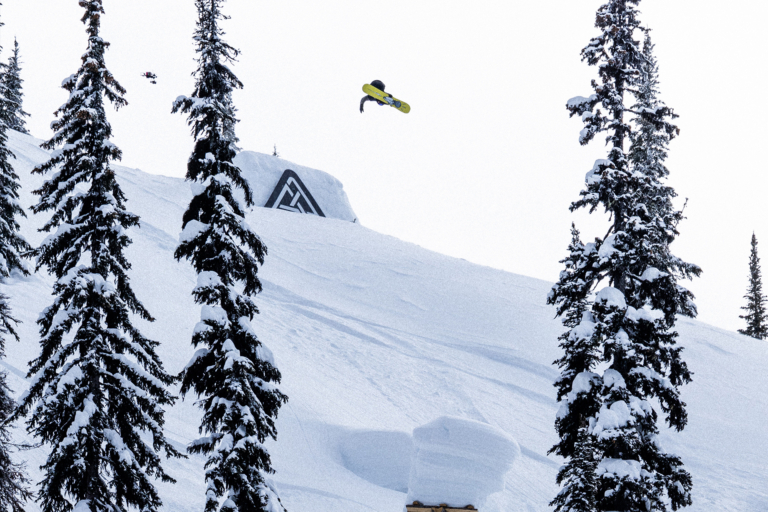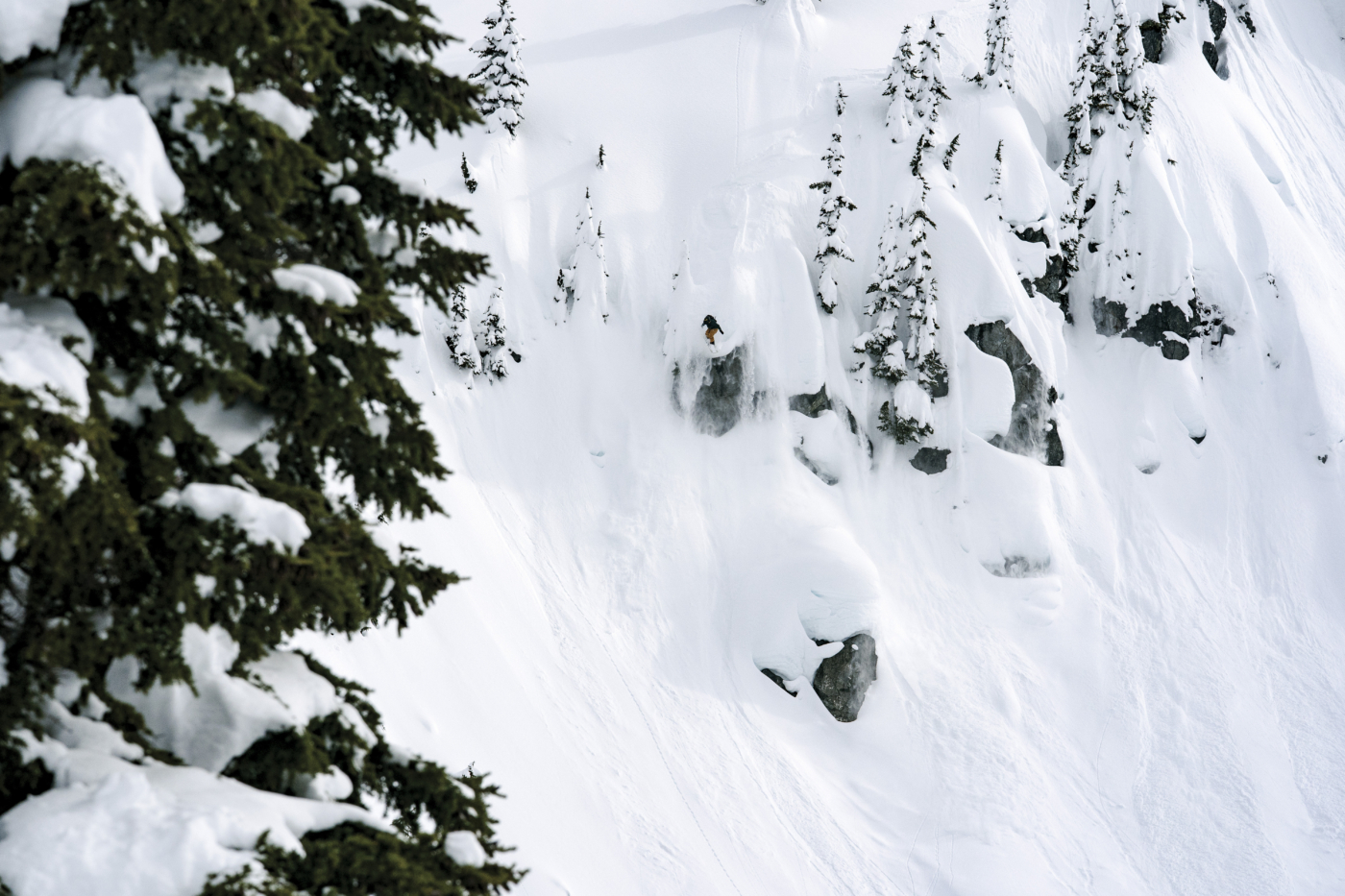
MFR’s longstanding career has evolved in ways that many resonate with. From iconic street parts to freeride segments that will stand the test of time, Marie has not only made a flawless transition from riding steel to stacking pillows, but she has also laid a blueprint for finding balance with environmental stewardship and advocacy as a professional athlete. When her film The Little Things was released in 2014, she was grappling with her identity as a pro and an advocate. It’s safe to say that MFR found her place and has staked claim as an admirable contributor to seeking environmental justice. Backed by sponsors like Patagonia who live and breathe the ethos of sustainability, Marie is finding balance through community and spreading her positive light to those willing to show up. – Ally Watson
Besides having a long, accomplished career, you also studied environmental studies in school. How do you apply that to your snowboarding and everything else you’re involved in?
I did a three year applied ecology degree. I always thought I was passionate about this stuff and that it would be my career and my work. Snowboarding just took off and I didn’t expect it to. I’m very grateful it did but for the first 10-15 years of my career, I didn’t know how to mix the two. I felt like snowboarding was a lot more close-minded then.
We were all just so focused on performance and there wasn’t a lot of room or opportunity for other subjects within it. It has evolved a lot to be more multi-generational. You also see so many causes involved in snowboarding, people are using the sport to bring awareness to or fundraise for things like mental health, cancer, environmental impacts, avalanche education, and it’s just such a beautiful thing. We are so lucky to have that tool, but back then when I did The Little Things movie, I thought I would lose all my sponsors. Even some at the time were not down to support it and I wasn’t even surprised.
I saw it at a premier and I loved it.
Oh thank you, it was from the heart and we learned a lot through it. It’s still timeless today and when I was actually studying this stuff at 20 years old, I never thought that when I’m around 40 years old that there would still be a fight. There’s been a lot of progress but I’m shocked how we are not meeting our goals. It’s never too late to try though, and whatever we do now will help minimize what’s coming.
One thing I always admired about you is that you have a way of promoting sustainability and environmental justice that’s very approachable and educational, especially in an industry with such a big impact.
Yeah, it was so doom and gloom that it’s hard for some people to even think about it or talk about it, it’s just so hard. There’s so many problems and things we feel hopeless about, like to see what’s happening in Gaza and Ukraine, like how can we help?
It feels like whatever action you take–even big ones with big sacrifice–never matters. It’s hard to find motivation which is why it’s important to always include community in those fights. The West Coast Triple Plank for me is what makes the most sense for my situation because finding what fits in your life is the ticket. Finding what makes sense for you, where you still feel joy from it is important. For a long time I thought I had to be better at public speaking, or get more into politics, and I didn’t want to be a speaker, I hate it. My strength is using my connections and my community to bring people together and have fun with it. We include snowboarding, surfing, and skateboarding and local organizations that are making a difference.
I am active in other ways, I have been working with Redfish Restoration the past few years, I applied for a kelp farm permit too. Maybe my next project will be a kelp farm.
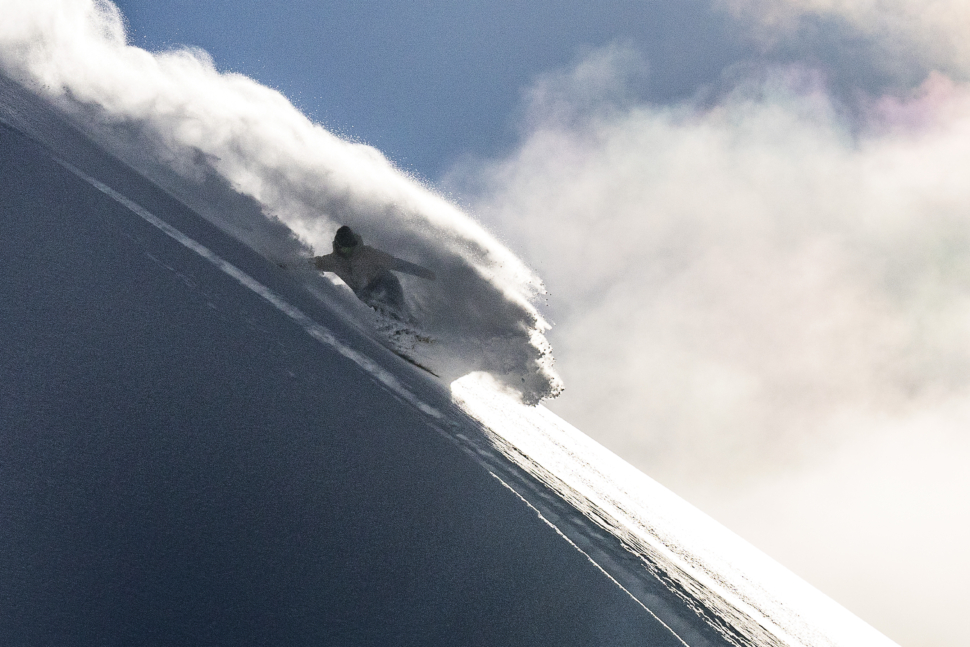
That’s exciting. Triple Plank is such a good example of committing to the cause in a small way and watching it grow. What would you say the biggest accomplishments are with that event?
There’s lots, I feel like one of them is bringing a new crowd into the organization. A lot of environmental organizations are kind of preaching to the choir and they have people who support with grants and stuff. What they don’t have is young people caring for their work. For a long time I was like, is this even worth it?
It’s about the positivity and the excitement from people seeing what we’re doing, and even if it’s just a drop in the bucket, we can help Redfish Restoration keep going and get support. We can inspire other areas to do the same. So many people say it has been life changing meeting new friends and seeing old friends. People are coming together and camping and connecting in person, and it’s rare.
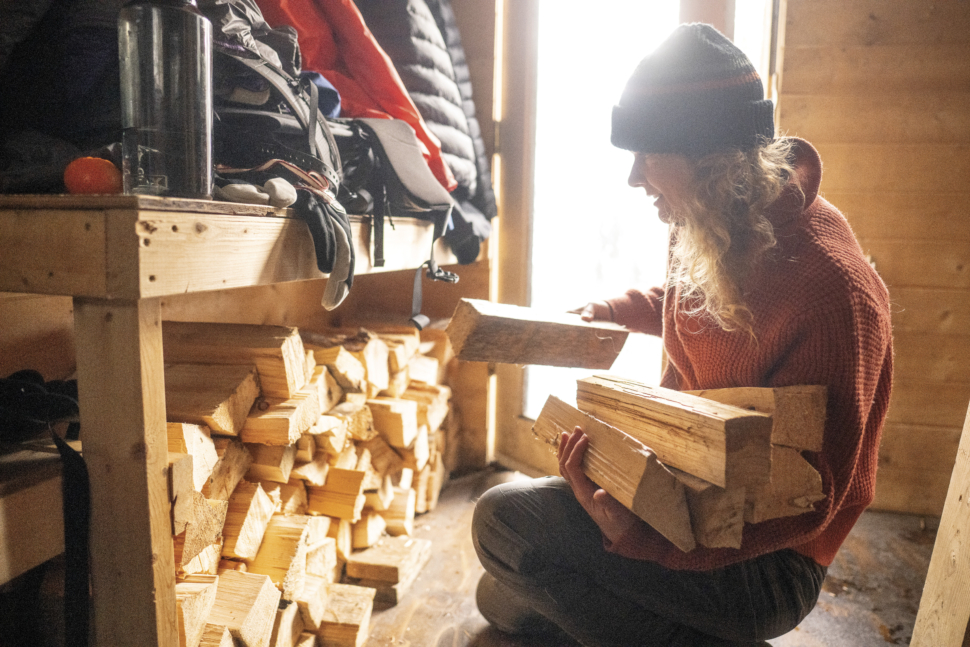
And you’ve brought in the nuučaan̓uł surf group Rising Tides.
Yes, we’ve partnered with them and developed a relationship over the past few years to teach kids how to skate and it’s been so cool to see them grow and work on their confidence and skills. They’re learning how to surf, and skate, and a bunch of other skills. We included them in our grantees last year. Our goal is to have them feel welcome and included and it’s a long term process. They’re working on changing all the names of the beaches back to their traditional names, they’re doing such cool things.
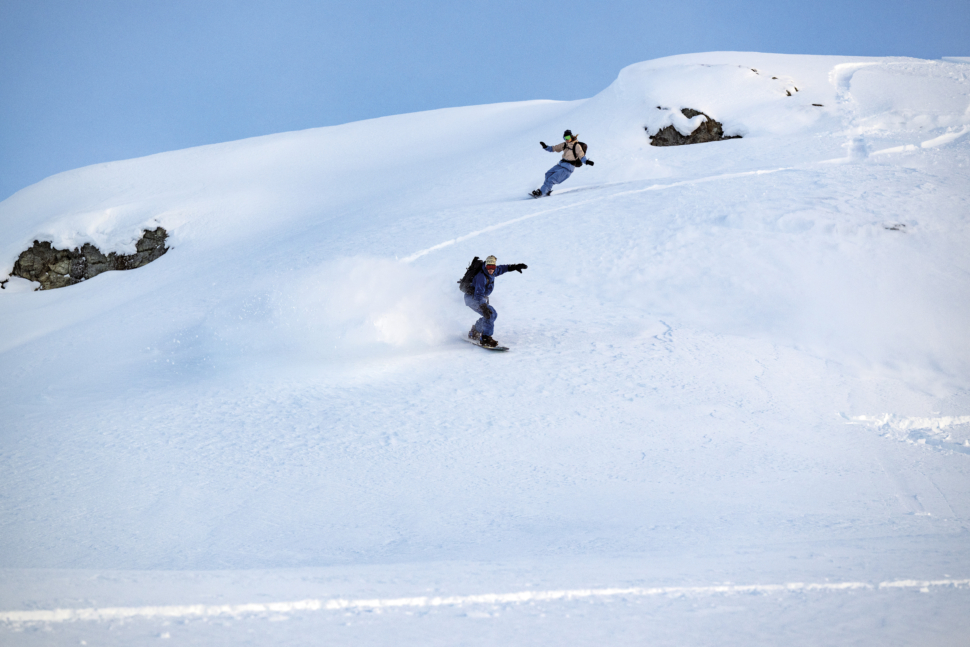
What is your approach to having a more respectful relationship with the land as a snowboarder, and how do you prioritize reciprocity and stewardship in your career?
This is why I was so torn for the first ten years of my career. Because I felt it was a one way street. It was like, look at me, we’re so cool, we travel the world snowboarding. I became so depressed over it, it was so deep in my heart. I wanted to quit for so long. I’m really lucky that I found brands I could align myself with more like Patagonia and Arbor. I’m still learning every day, but I’m so grateful that there have been more people doing really good things. That’s what keeps me going.
At times I was overwhelmed and did not have the balance, now I feel way more balanced and I can focus on what really matters.
And it’s always an ongoing effort.
Yes, and I’m so grateful for people like Sandy Ward. She has taught us so much and she shares her story and there’s so many amazing stories from people because we created that space.
How do you find balance with your personal ethics in an industry focused on production?
I think it’s a constant battle, we live in a society based on consumerism and capitalism which feels like you’re stuck. I try to do the best I can to support and I’m so lucky to have companies I believe in. They aren’t all perfect, they have huge impacts, everything we do has an impact. Some people do it better than others. There’s an option, and every day we have options. I, myself, have a truck, and I have a sled again. I gave up my sled when everyone blamed me for having it, and then no one cared. It’s so hard, I need it for my work, so is it worth it? For a long time I felt like I couldn’t do anything, people point the finger. I’m working on being less sensitive about the judgment.
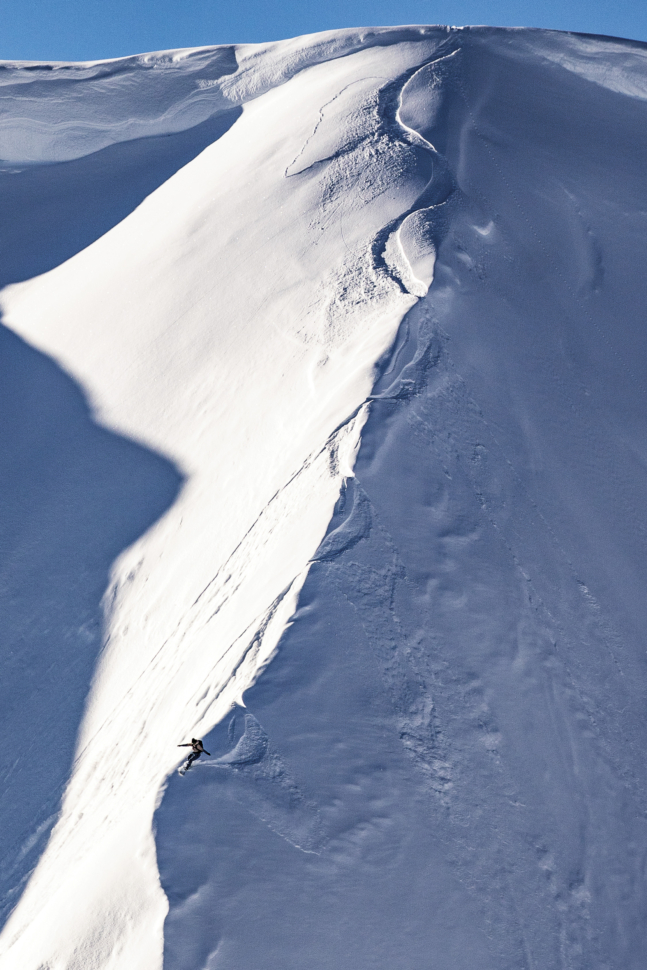
You’ll never win.
You’ll never win, and just do what you can. Don’t lose sleep at night because you bought a pair of panties made in China. We just need to work on the balance.
It’s important to be positive because it’s so easy to see only the dark. So many people are depressed and lonely and how can you make a difference when we are all disconnected and polarized?
So, where do you see the future of integrated education going in snowboarding?
There’s so much more happening education wise in so many aspects. Risk Maturity is a good example and what Robin is doing with R&D bringing the next generation of girls in. It all starts from people taking initiative. We all have the passion within us and the power to do something and even if you only bring in a few people at a time, it goes a long way. People are using their skills and bringing the community together by using their privilege. It makes snowboarding so much more rich. It’s all of a sudden not just about performance, but more multifaceted.
Yeah, and it’s giving people a place to continue to be involved. Thanks so much Marie, looking forward to checking out your new projects.